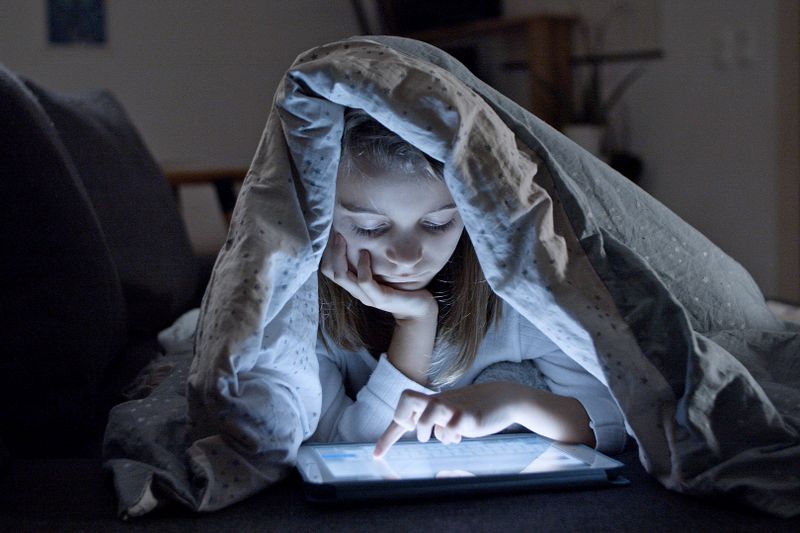
Screens have become an integral part of daily life. According to the AAP and WHO, excessive screen time can negatively impact children's physical, cognitive, and social-emotional development. The goal isn't to ban screens entirely, but to establish a healthy balance.
Screen Time Recommendations by Age
| Age | Recommendation | Notes |
|---|---|---|
| 0-18 months | No screens | Exception: video calls with family |
| 18-24 months | Very limited, with parent | High-quality educational content only |
| 2-5 years | Max 1 hour/day | Educational programs; parent should co-view and discuss |
| 6+ years | Set consistent limits | Sleep, physical activity, and face-to-face interaction come first |
Important: Screen time isn't just about duration — content quality and how it's used matter equally. Passive viewing vs. active co-engagement make a huge difference.
Effects of Excessive Screen Time
Language and Cognitive Development
- "Video deficit" effect: children under 3 learn very little from screens
- Background TV reduces play quality and parent-child conversation
- Excessive screen time is associated with language delays
Sleep
- Blue light suppresses melatonin → difficulty falling asleep
- Screens off at least 1 hour before bedtime
- No screen devices in the bedroom
Physical Health
- Sedentary behavior → increased obesity risk
- Snacking during screen time → excess calorie intake
- Eye strain, dry eyes, increased myopia risk
Social-Emotional Development
- Reduced face-to-face interaction → delayed empathy and social skills
- Violent media → increased aggressive behavior
- Shortened attention span
Practical Family Rules
- Screen-free zones: Dining table, bedrooms
- Screen-free times: 1 hour before bed, morning routine, mealtimes
- Monitor content: Choose age-appropriate educational content, enable parental controls
- Co-view and discuss: Watch together and talk about what you see
- Offer alternatives: Outdoor play, books, art, music, board games
- Be a role model: Review your own screen habits
Family Media Plan
- Define screen-free zones and times
- Set age-appropriate daily limits for each child
- Establish content quality standards
- Prioritize sleep, activity, and homework over screens
- Post the plan visibly and review regularly
When to Seek Professional Help
- Extreme tantrums without screens
- Complete loss of interest in non-screen activities
- Seriously disrupted sleep
- Declining school performance
- Notable deterioration in social relationships
Technology will remain in our children's lives — our goal is to help them build a healthy relationship with it. Contact our clinic for individual assessment and guidance on screen time concerns.