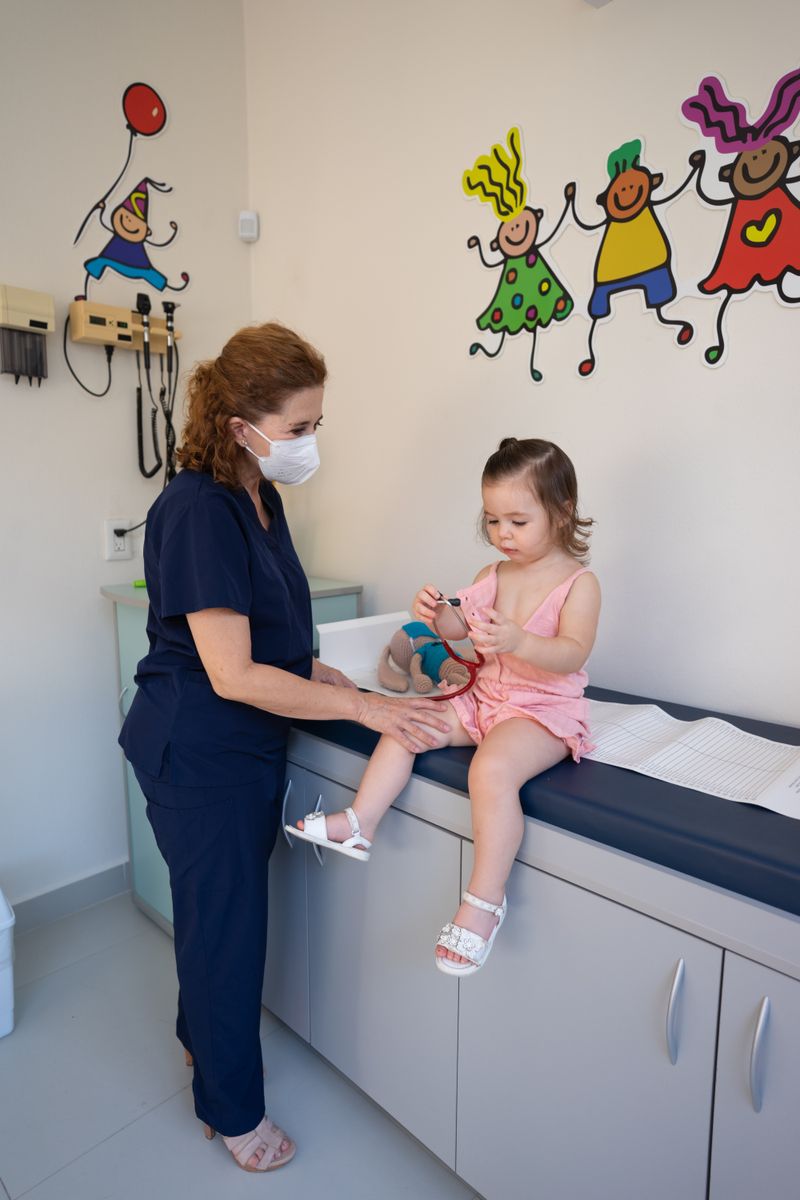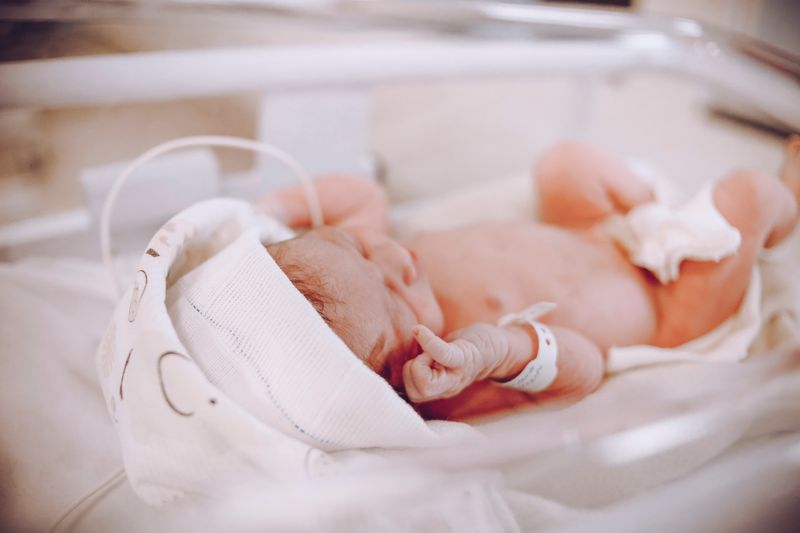
Your baby's arrival is one of the most exciting moments of your life — and also a time filled with questions. The first 30 days are a critical adaptation period. This guide covers the essentials of newborn care.
Feeding
Breastfeeding
- Start within the first hour
- 8-12 times daily, on demand
- Colostrum for the first 2-3 days — small but sufficient
- Milk increases around days 3-5
- Adequate signs: 6+ wet diapers/day, regular stools, content appearance
Formula Feeding
- Use doctor-recommended formula
- Start with 60-90 ml every 2-3 hours
- Sterilize bottles; use prepared formula within 1 hour
Safe Sleep (SIDS Prevention)
- Always place on back
- Firm, flat mattress with fitted sheet
- No pillows, blankets, toys, or bumpers in crib
- Room temperature 18-22°C (64-72°F)
- Room-sharing but separate bed (minimum 6 months)
- Pacifier use reduces SIDS risk (after breastfeeding is established, ~3-4 weeks)
Umbilical Cord Care
- Falls off in 7-21 days
- Keep dry and clean — no alcohol or antiseptic (WHO recommends dry care)
- Fold diaper below the cord
See doctor if: redness spreading around the base, swelling, bad smell, or discharge.
Bathing
- Sponge baths until cord falls off, then tub baths
- 2-3 times per week is sufficient
- Water temperature: 37°C (98.6°F) — test with inner elbow
- Fragrance-free baby products; never leave baby unattended
Common Skin Conditions
- Newborn acne: Small red bumps on face at 2-4 weeks — resolves on its own
- Cradle cap: Yellow, oily scales on scalp — soften with baby oil, gentle brushing
- Diaper rash: Frequent changes, barrier cream (zinc oxide)
- Peeling skin: Normal in the first week
Jaundice
Occurs in about 60% of newborns, usually starting day 2-3:
- Physiological: mild, resolves in 1-2 weeks
- Warning signs: onset in first 24 hours, rapidly rising, lasting beyond 2 weeks
- Treatment: frequent breastfeeding, phototherapy if needed
Emergency: If baby is excessively sleepy, not feeding, crying in a high-pitched tone, or jaundice spreading rapidly — go to hospital immediately.
What's Normal (Don't Worry)
- Hiccups, sneezing, Moro reflex, temporary crossed eyes (first 3 months)
- 5-10% weight loss in first days (regained by day 10-14)
- Breast swelling, vaginal discharge in girls (maternal hormones)
First Doctor Visits
- Days 3-5: Weight check, jaundice assessment, breastfeeding evaluation
- Day 15: Weight follow-up
- 1 month: Growth assessment, hip ultrasound, metabolic screening results
EMERGENCY — Go to Hospital Immediately
- Fever 38°C/100.4°F or higher (ANY fever in 0-3 months is an emergency)
- Refusal to feed
- Excessive lethargy, cannot be woken
- High-pitched, inconsolable crying
- Breathing difficulty (nasal flaring, chest retractions, rapid breathing)
- Blue discoloration (lips, tongue, nail beds)
- Persistent vomiting (green/bilious vomiting is EMERGENCY)
- Bloody stool
- Seizures
The first 30 days are an adaptation period for both you and your baby. Don't hesitate to ask questions and seek support. Our clinic offers newborn check-ups and breastfeeding counseling — schedule an appointment for personalized guidance.