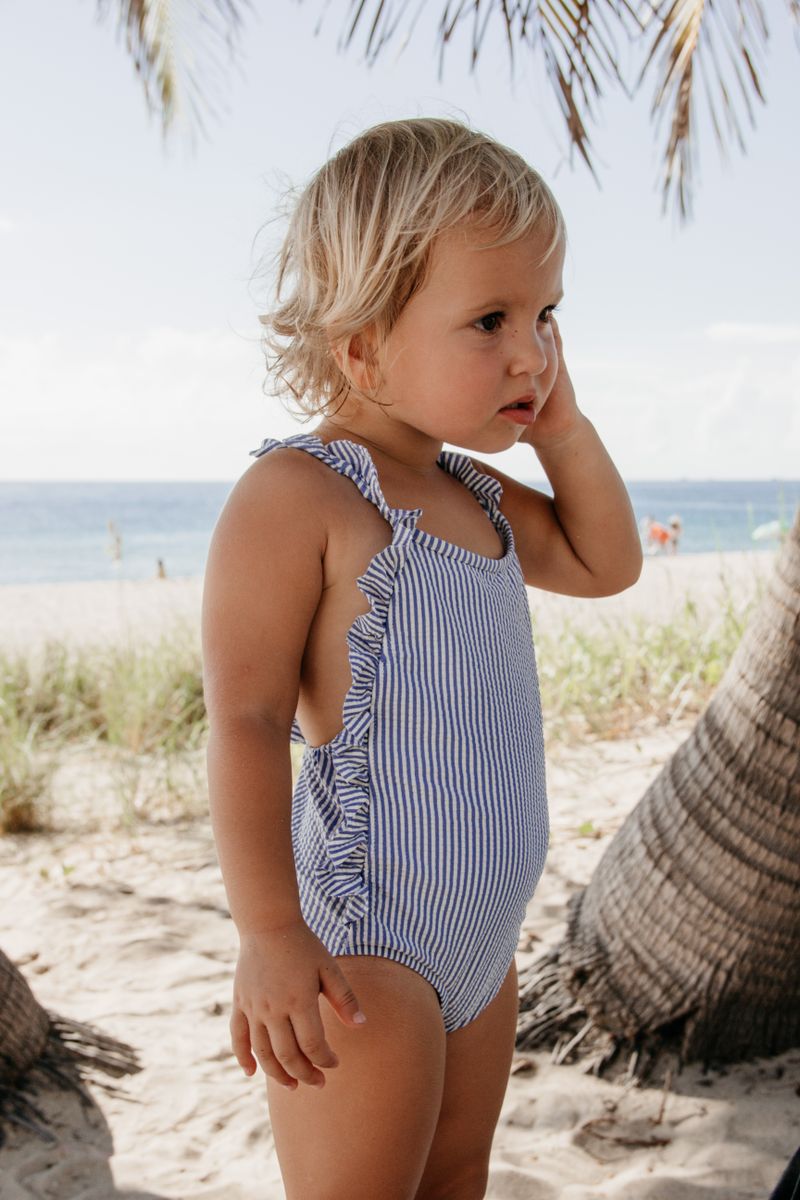
Marmaris is a spectacular destination for family holidays — a town where stunning turquoise bays, warm hospitality and rich history come together perfectly. But travelling with children always brings an element of health responsibility, and the combination of intense summer sun, sea and pool swimming, unfamiliar food and disrupted routines creates conditions where illness and minor injuries are more likely than at home. This guide covers everything parents need to know to keep their children healthy and happy throughout a Marmaris holiday.
Sun Protection: The Most Important Precaution
The Turkish Aegean sun is powerful. In Marmaris, the UV index regularly reaches 10–11 during peak summer — classified as "very high" to "extreme" — meaning sunburn can occur in as little as 15 minutes of unprotected exposure for fair-skinned children.
Sun Protection by Age
Under 6 months: Keep completely out of direct sunlight. Use a pram canopy, a lightweight cover or a shaded beach umbrella at all times. Sunscreen is not recommended for this age group — physical protection is the only appropriate method.
6 months to 2 years: Prioritise clothing protection — wide-brimmed hat, UV-protective rash vest, lightweight long-sleeved clothing. Apply mineral-based SPF 50+ sunscreen to any exposed skin, including the face and ears.
2 years and older: Apply SPF 50+ water-resistant sunscreen to all exposed skin at least 20 minutes before going outside, and reapply every two hours and immediately after swimming. Broad-brimmed hats and UV-protective sunglasses are strongly recommended. Avoid the beach or pool between 11am and 4pm when UV intensity is highest.
Recognising and Responding to Heatstroke
Heat exhaustion and heatstroke are genuine medical emergencies. Heatstroke occurs when the body temperature rises above 40°C and the body can no longer cool itself. Signs include extremely high fever, hot dry skin, rapid heartbeat, confusion, severe headache and in serious cases, loss of consciousness. If you suspect heatstroke, move the child immediately to a cool, air-conditioned environment, apply cool damp cloths to the skin and neck, and seek emergency medical care without delay — call 112 in Turkey.
Hydration: Preventing Dehydration in the Heat
Children dehydrate significantly faster than adults, particularly in hot weather and during active play. Dehydration is one of the most common — and most preventable — health problems for children on summer holidays.
Offer water frequently throughout the day, whether or not your child says they are thirsty. Thirst is a late sign of dehydration. Rough daily fluid targets: 1–1.25 litres for ages 1–3, 1.2–1.5 litres for ages 4–8, and 1.5–2 litres for ages 9 and above. These requirements increase substantially in hot weather and during physical activity. Avoid substituting sugary drinks or fruit juice for water — these can worsen diarrhoea if your child is already unwell. Bottled water is recommended for young children in Marmaris, even though tap water is generally safe for adults.
Sea and Pool Safety
Marmaris boasts some of the cleanest beaches on the Turkish coast, many carrying the Blue Flag certification. Even so, time in the sea and pool brings specific health considerations.
Swimmer's Ear (Otitis Externa)
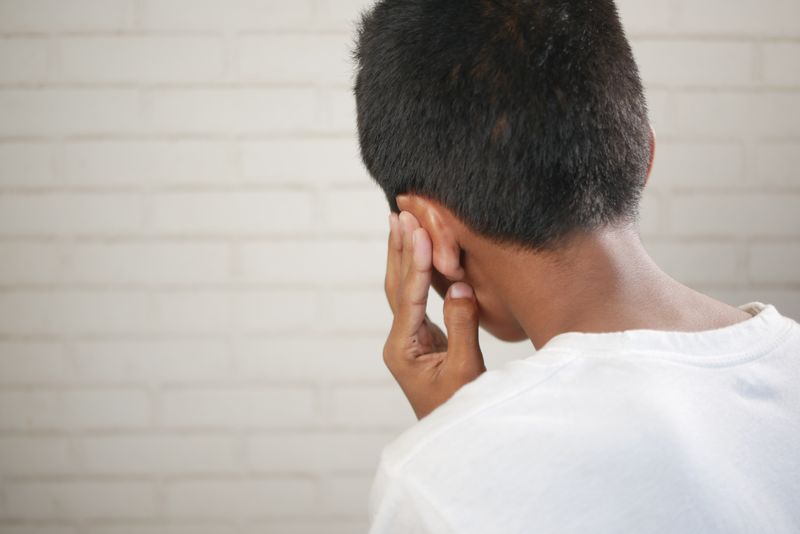
Extended time in water softens the skin of the outer ear canal and creates an environment where bacteria can multiply. The resulting infection — commonly called swimmer's ear — causes ear pain, itching, a blocked sensation and occasionally discharge. To reduce risk, gently shake and dry ears after swimming. Ear plugs designed for swimming are highly effective. If ear pain develops, see a paediatrician promptly — the condition responds well to antibiotic ear drops when treated early.
Jellyfish Stings
Some jellyfish species are occasionally found along the Marmaris coastline. A sting causes burning pain and a red weal on the skin. First aid: rinse with sea water (not fresh water or urine, which can worsen the reaction), carefully remove any visible tentacles using a card or tweezers — never bare fingers — and apply a cold pack. Seek medical attention if pain is severe, the rash is widespread, or the child develops difficulty breathing.
Water Safety and Supervision
Children should never be left unsupervised near water, regardless of their swimming ability. Currents, fatigue and sudden panic can put even confident swimmers at risk. It is important to understand that inflatable armbands and swim rings do not provide genuine safety — they can deflate suddenly or cause children to float face-down if they lose consciousness. For children who cannot swim confidently, a properly fitted life jacket designed for their weight is the safest option.
Food Safety: Preventing Gastrointestinal Illness
Traveller's diarrhoea is the most common illness affecting tourists in any destination, including Turkey. The good news is that most restaurants in tourist areas of Marmaris maintain good hygiene standards, and the risk can be reduced further with sensible precautions.
Avoid raw or undercooked shellfish and seafood for young children. Wash hands thoroughly with soap and water before all meals — particularly important in the beach and pool environment where fingers frequently touch shared surfaces. Peel or wash all fruit. Choose well-established, busy restaurants over roadside stalls for younger children. Be cautious with buffet food that may have been standing for extended periods. Carry oral rehydration sachets in your bag — starting rehydration therapy early makes a significant difference if diarrhoea does develop.
Common Holiday Illnesses
Traveller's Diarrhoea
Most cases in children resolve with oral rehydration and rest within 48 hours. Seek medical assessment if diarrhoea contains blood, is accompanied by high fever, or if the child shows signs of dehydration such as dry mouth, no tears when crying, significantly reduced urine output, or unusual lethargy.
Insect Bites
Mosquitoes are most active at dawn and dusk in Marmaris. Apply a child-appropriate insect repellent containing DEET or picaridin morning and evening. Most bites cause minor irritation manageable with cold compresses and antihistamine cream. Bee or wasp stings that cause facial swelling, difficulty breathing or collapse require immediate emergency treatment — this may indicate anaphylaxis.
Eye Irritation
Chlorinated pool water and sea salt can cause temporary eye irritation. Swimming goggles effectively prevent this. Bacterial conjunctivitis — characterised by yellow discharge, sticky eyelids and redness — requires antibiotic eye drops prescribed by a doctor.
Your Holiday Health Kit
Pack these essentials before leaving home:
- Paracetamol and ibuprofen in age-appropriate formulations
- Water-resistant SPF 50+ sunscreen
- Child-appropriate insect repellent
- Oral rehydration sachets (e.g. Dioralyte)
- Antihistamine tablets and cream
- Plasters, sterile gauze and antiseptic wipes
- Digital thermometer
- Swimming ear plugs
- Sufficient supply of any regular medications
When to See a Doctor
Seek prompt medical assessment if your child develops any of the following:
- Fever above 38°C in babies under three months
- Fever above 39.5°C at any age, or any fever lasting more than 48 hours
- Difficulty breathing or rapid breathing
- Blood in stools or severe abdominal pain
- No urine output for 6–8 hours
- Swelling of the face or lips
- Unusual drowsiness, confusion or difficulty waking
- Neck stiffness or severe sensitivity to light
Dr. Göze Ercan's paediatric clinic is located in central Marmaris and offers English-language services for tourist families. Appointments can be booked online through doktorsitesi.com or via WhatsApp. With the right preparation and the reassurance of knowing where to turn if needed, your family holiday in Marmaris can be everything you hoped for.