Dental development is an important part of your baby's growth. The appearance of the first tooth is exciting but can also be challenging for some families. This guide comprehensively covers the teething process, symptoms, oral care, and dental health protection.
Baby Tooth Timeline
The first tooth usually appears around 6 months, but 4-12 months is considered normal. All 20 baby teeth are typically complete by age 2.5-3:
| Teeth | Eruption Time |
|---|---|
| Lower central incisors | 6-10 months |
| Upper central incisors | 8-12 months |
| Upper lateral incisors | 9-13 months |
| Lower lateral incisors | 10-16 months |
| First molars | 13-19 months |
| Canines | 16-23 months |
| Second molars | 23-33 months |
Teething Symptoms
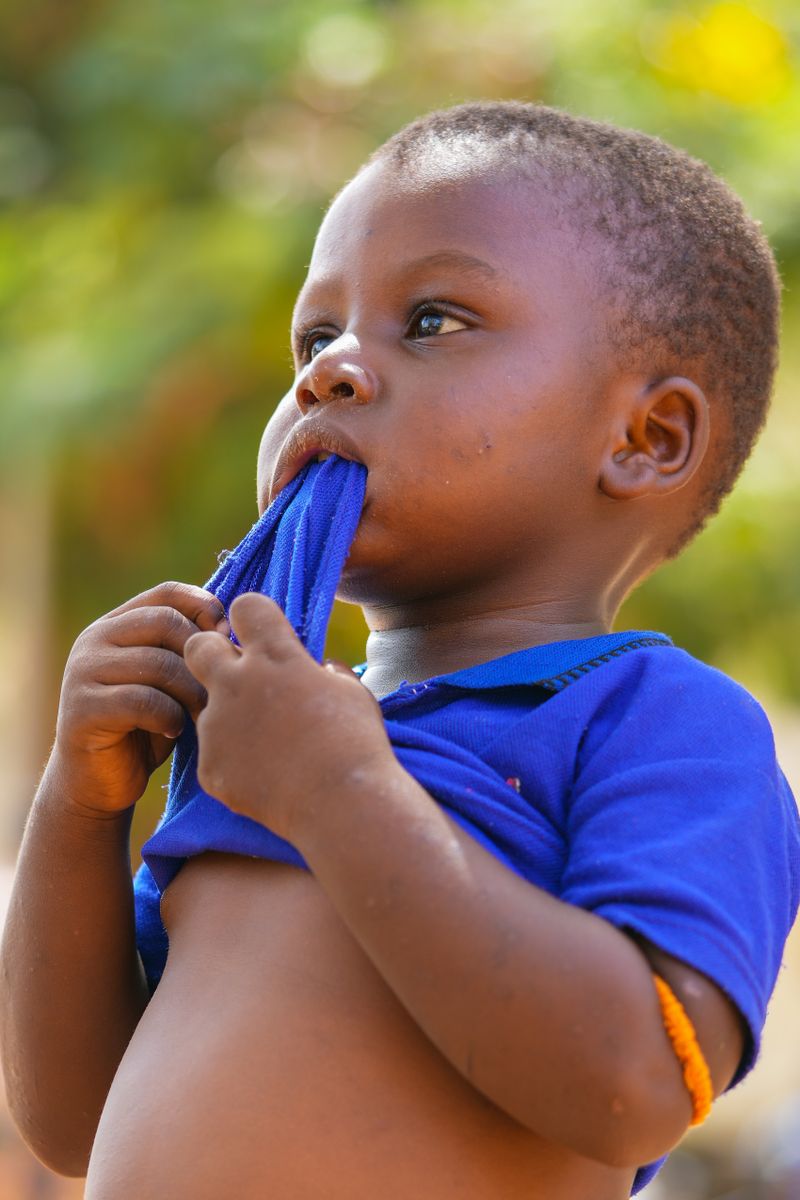
- Common: Increased drooling, biting/chewing everything, swollen red gums, fussiness, decreased appetite, sleep disruption
- NOT caused by teething: High fever (above 38.5°C/101.3°F), diarrhea, vomiting, rash — consult your doctor for these
Comfort Measures During Teething
- Chilled teether: Refrigerated (not frozen) silicone teethers are safest
- Gum massage: Gently rub gums with a clean finger
- Cold foods: Cold fruit puree or yogurt for babies over 6 months
What to Avoid
- Teething gels with lidocaine/benzocaine — banned by FDA under age 2
- Amber teething necklaces — choking and strangulation risk
- Homeopathic teething tablets — no safety evidence, FDA warning
Oral Care for Babies
Before Teeth Appear
From birth, wipe gums and tongue with a wet gauze or silicone finger brush after each feeding.
After the First Tooth
- Start using a baby toothbrush with soft bristles
- Fluoride toothpaste: Use a rice-grain-sized smear from the first tooth
- Brush twice daily (morning and before bed)
- Parents should brush or supervise until age 6-7
After Age 3
- Increase fluoride toothpaste to pea-sized amount
- Start flossing when teeth touch side by side
Baby Bottle Tooth Decay
Early childhood caries from sleeping with a bottle of milk or sugary liquids:
- Gradually stop nighttime bottles from 12 months
- Transition from bottle to cup at 12-18 months
- Last thing before sleep should be tooth brushing
Losing Baby Teeth
Baby teeth start falling out around age 6, completing by 12-13. Don't force loose teeth — let them fall naturally. See a dentist if permanent teeth emerge behind baby teeth (double row).
First Dentist Visit
The American Academy of Pediatric Dentistry recommends the first visit after the first tooth appears or by age 1. Early visits assess cavity risk, provide oral care guidance, and help the child get comfortable with dental visits.
When to See a Doctor
- No teeth by 12 months
- Fever above 38.5°C with teething
- Gum abscess or swelling
- Tooth discoloration or staining
- Tooth injury from a fall
Healthy baby teeth are placeholders for permanent teeth. Early oral care habits form the foundation of lifelong dental health. Contact our clinic with any questions.