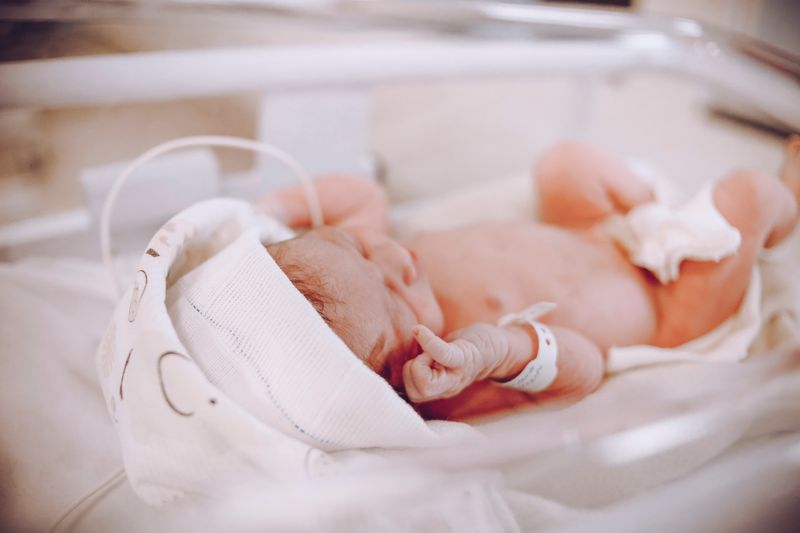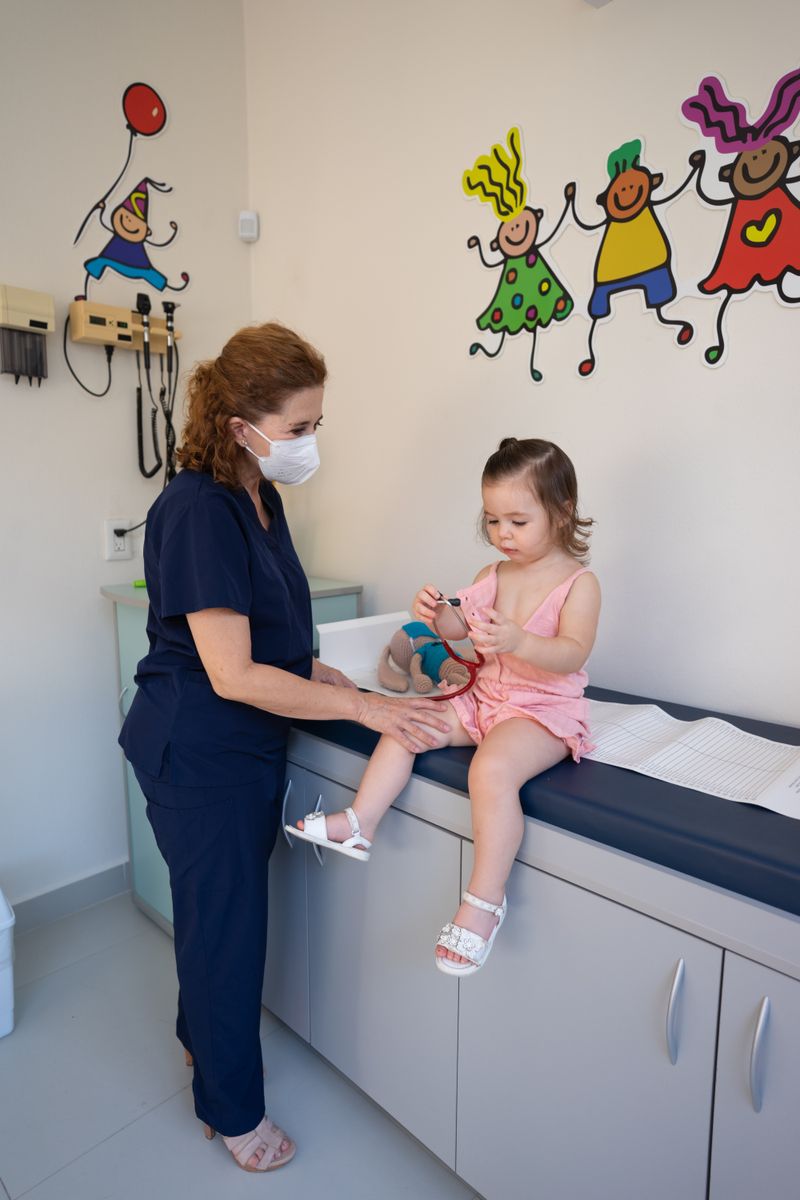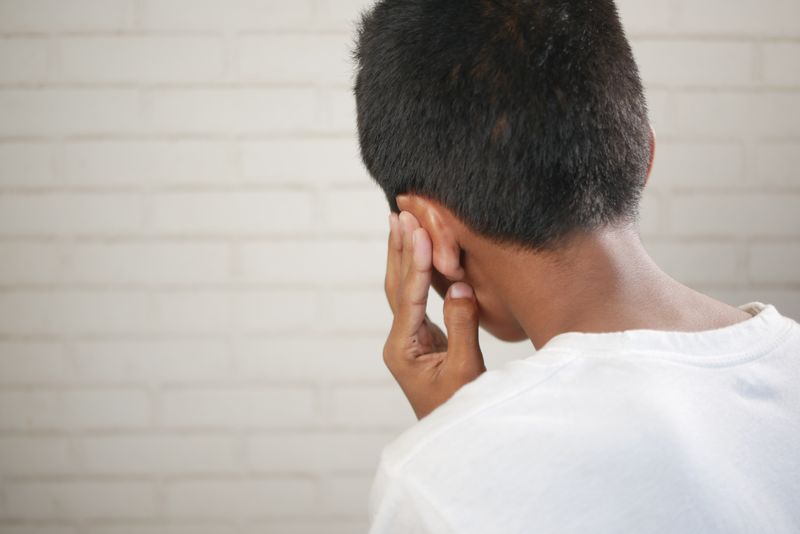
Speech and language development is fundamental to your child's social communication, self-expression, and academic success. Language development begins at birth and progresses at different rates for every child.
Development Stages
0-6 Months
- Different crying tones at birth
- 2 months: Cooing ("aaa", "ooo")
- 6 months: Babbling begins ("ba-ba-ba")
6-12 Months
- Varied syllables, intonation patterns
- Understands simple commands ("no", "come")
- Gestures: waving, pointing
- 12 months: First meaningful words (1-3 words)
12-24 Months
- 18 months: At least 20 words
- Vocabulary grows rapidly — 5-10 new words per week
- 24 months: 50-200 words, two-word phrases begin
2-5 Years
- 2 years: 2-3 word sentences, 50% intelligible to strangers
- 3 years: 3-4 word sentences, 75% intelligible, "why?" questions
- 4 years: 4-5 word sentences, storytelling, 1000+ vocabulary, fully intelligible
- 5 years: Complex sentences, time concepts, jokes
Supporting Language Development
- Talk to your baby from birth — narrate daily activities
- Read picture books from 6 months — the most effective tool
- Name what they point at and expand their words
- Listen and wait — give time to respond, don't finish sentences
- Limit screens: no screens under 18 months, max 1 hour/day ages 2-5
- Sing songs, nursery rhymes, finger plays
Warning Signs
- 12 months: No babbling, no gestures
- 18 months: No words, doesn't understand simple instructions
- 24 months: Fewer than 50 words, no two-word phrases
- 3 years: Can't form 3-word sentences, not understood by strangers
- Any age: Loss of previously acquired language skills (regression)
Bilingual Children
Children raised bilingually may initially have fewer words in each language, but their total vocabulary across both languages equals or exceeds monolingual peers. Bilingualism does not cause speech delay. Language mixing (code-mixing) is temporary and normal.
When to See a Doctor
- Any warning signs above are present
- You feel your child struggles to communicate
- Limited eye contact or social interaction
- Suspected hearing problems
Early intervention yields the best outcomes for language development issues. Our clinic provides developmental assessment and referral to speech-language therapy when needed.